What to check before booking a Canadian Niagara Falls boat tour
Getting the most from a Canadian Niagara Falls boat tour
A boat tour on the Canadian side of Niagara Falls is one of those rare experiences that matches the hype. You get close enough to feel the spray on your face and hear the full roar of Horseshoe Falls. But not every tour runs the same way, and the details that look small on the booking page can make a big difference once you are on the water. Before you commit to a trip, there are a few things worth checking so the day goes as smoothly as the ride itself.
Which departure dock you choose
The Canadian side has one main boat operator, Hornblower Niagara Cruises, and their boats leave from a dock near the base of Clifton Hill. That sounds straightforward, but the exact boarding location matters more than you might expect. Some third-party ticket sellers bundle the cruise with other attractions and may not make it clear where you actually board. If you end up at the wrong spot, you could miss your time slot. Confirm the departure point before you buy. If the website lists a specific street or landmark, cross-check it with the official operator information. A quick look at the map will save you a walk in the wrong direction.
Seasonal operation and off-season schedules
The boat season on the Canadian side does not run year-round. Hornblower Niagara Cruises typically operates from early April through late November or early December, depending on weather and ice conditions. The exact opening and closing dates shift each year, and the schedule can change week to week in the shoulder months. If you are planning a trip in spring or late fall, check the current operating calendar before you book anything else. A tour that looks available in November might only run on weekends, or the last sailing of the day could be earlier than you expect. Building your itinerary around a confirmed sailing time is safer than assuming the boats run every hour.
What the ticket actually includes
A standard boat ticket gets you on the vessel for a round trip that passes the American Falls, Bridal Veil Falls, and then goes right into the basin of Horseshoe Falls. That part is consistent. But add-ons vary. Some tickets include a behind-the-scenes tour or access to a viewing platform. Others are just the boat ride. If you are looking at a package that bundles the cruise with other attractions, read the fine print. You might be paying for things you do not need, or you might miss a perk that matters to you, such as a poncho upgrade or a reserved spot on the upper deck. Knowing what is included helps you compare options fairly.
Deck access and onboard experience
Not every spot on the boat gives you the same experience. The lower deck is more sheltered, which sounds appealing if you want to stay dry, but the rail height and the angle mean you see the falls from farther back. The upper deck is open and gives you a full view, but you will get wet. Really wet. The boat goes close enough that the mist from Horseshoe Falls soaks everyone on the open deck. If you are traveling with someone who does not want to be drenched, or if you are carrying camera gear that cannot handle spray, the lower deck might be a better choice. Some tours offer a premium ticket that guarantees upper-deck access. If that matters to you, check whether the general admission lets you choose your deck or if it is first-come, first-served.
How wet you will actually get
People talk about the spray as if it is a minor inconvenience. It is not. The boat goes right into the mist zone, and the wind can push that water sideways. You will be given a poncho, and it helps, but it does not keep you completely dry. If you are wearing shoes that take days to dry out, or if you have electronics that are not waterproof, think about how you will protect them. A dry bag or a waterproof phone case is a sensible addition. Also consider what you wear underneath the poncho. Synthetic fabrics dry fast. Cotton stays wet and cold. On a warm summer day that does not matter much, but in spring or fall the combination of cool air and wet clothes can make the ride uncomfortable.
Time of day and light conditions
The experience changes noticeably depending on when you sail. Mid-morning and mid-afternoon are the busiest slots. The boat is full, the queues are longer, and the light is directly overhead, which washes out the rainbow mist that forms near the base of the falls. Early morning or late afternoon sailings tend to be quieter, and the lower angle of the sun makes the rainbows more vivid. If you are after photographs, the golden hour before sunset gives you warm light on the mist and the rock face. Evening sailings in summer sometimes run later, and the falls are lit after dark. That is a different experience entirely, less about the power of the water and more about the color and atmosphere. Decide which mood you want, then pick your time slot accordingly.
What happens when the boat enters the vortex
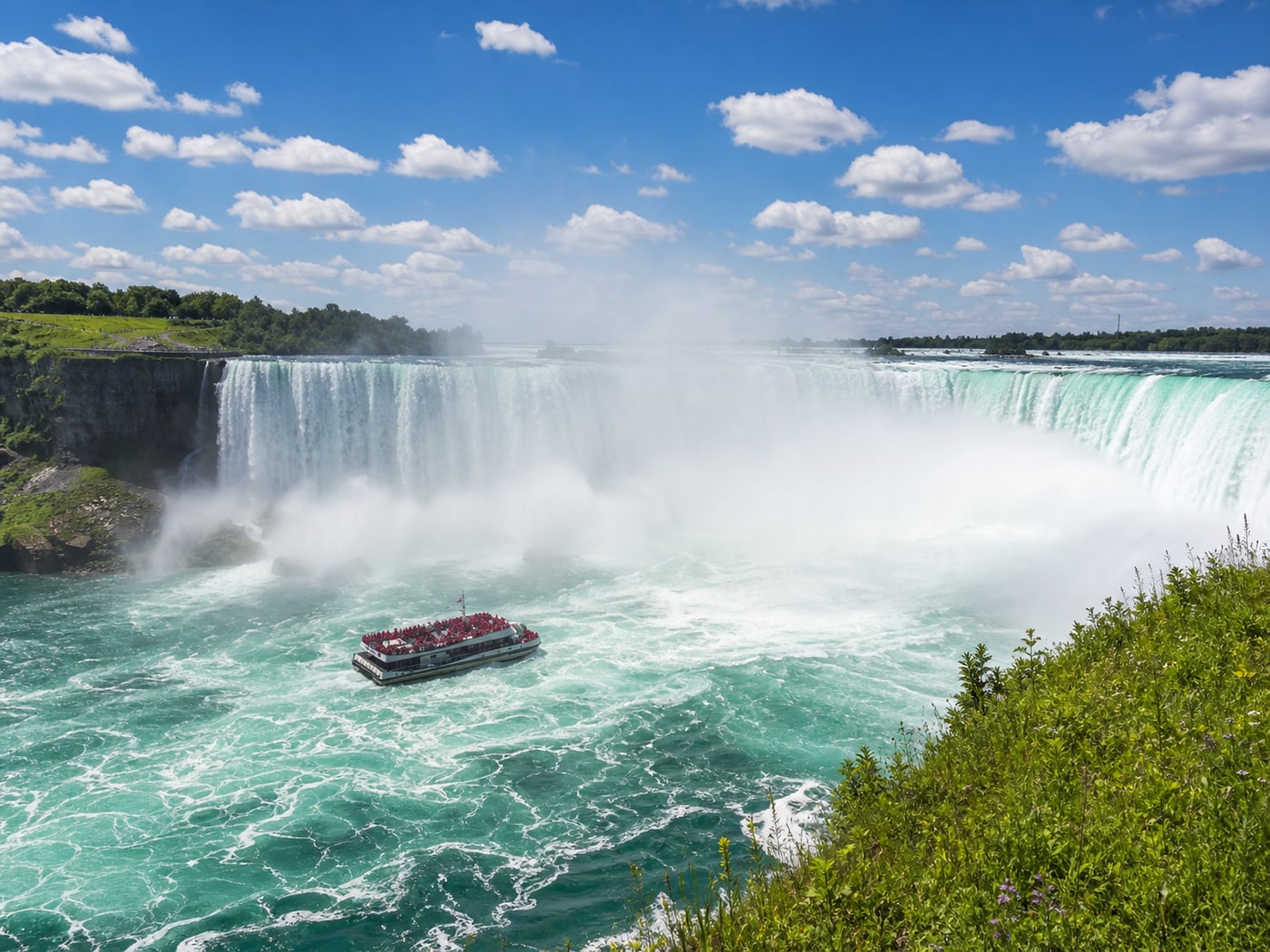
As the boat approaches Horseshoe Falls, the current changes. You will feel the vessel slow down and then hold position while the captain lets the boat drift in the circulating water near the base. That is not a malfunction. It is deliberate. The boat sits in what is sometimes called the vortex whirlpool area, where the water recirculates before plunging over the falls. The motion can feel strange, especially if you are not expecting it. The boat rocks gently and the spray increases. For most people it is the best part of the ride. If you are prone to motion sickness, standing near the center of the boat and keeping your eyes on the horizon helps. Knowing it is coming means you can relax into it rather than wondering if something is wrong.
Crowds and queue timing
The boat tour is one of the most popular things to do on the Canadian side, and the queues reflect that. In peak summer months you can wait forty-five minutes or more to board, even with a pre-booked ticket. Some ticket options include a priority boarding lane. If you are short on time or traveling with children, that upgrade might be worth the extra cost. Otherwise, plan to arrive at least thirty minutes before your sailing time. That gives you room to get through the line, collect your poncho, and find a good spot on the boat without rushing. If you book through a site like niagarafallscanadatours.com, the booking confirmation usually includes advice on when to arrive. Follow that guidance rather than guessing.
Weather and visibility
The boats run in light rain, but they do not sail in thunderstorms or high winds. If the forecast looks iffy, check the operator's cancellation policy before you head out. Most tickets are refundable or reschedulable if the tour is canceled by the operator, but policies vary if you decide not to go because of weather that is technically safe. Fog is another factor. On some days the mist from the falls combines with low cloud and you cannot see the top of Horseshoe Falls from the boat. The ride still feels impressive, but the view is limited. If seeing the full height of the falls is important to you, choose a clear day or a morning when the breeze is light enough to keep the mist from hanging in the air.
How the tour fits into your wider visit
The boat ride lasts about twenty minutes on the water, but the whole experience from queue to dry-off takes closer to an hour and a half. That is enough time to plan around it without letting it dominate your day. Many visitors combine the boat tour with a walk along the Niagara Gorge or a visit to the viewing platforms near the falls. If you are using a resource like niagarafallscanadatours.com to plan your itinerary, look for suggestions on how to group activities so you are not walking back and forth across the same stretch of road. The boat dock sits close to the main tourist area, so it is easy to fit into a morning or afternoon block. Just leave some buffer time in case the queues are longer than expected.
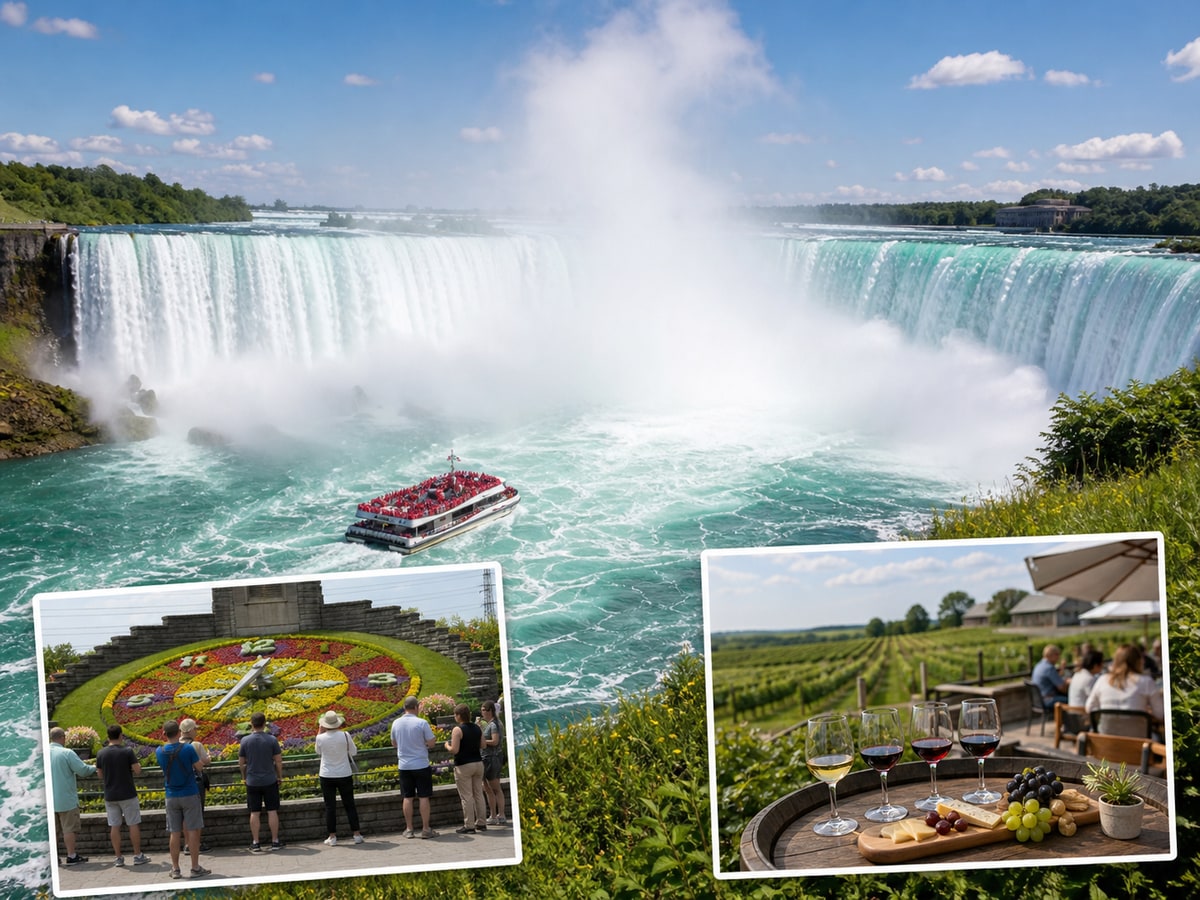
A Canadian Niagara Falls boat tour is straightforward to book, but the small details determine whether you come off the water grinning or just damp. Check the season, the ticket inclusions, the deck layout, and the timing. The rest is about being ready for the spray and the crowds. Get those things right and the ride delivers exactly what you came for.